

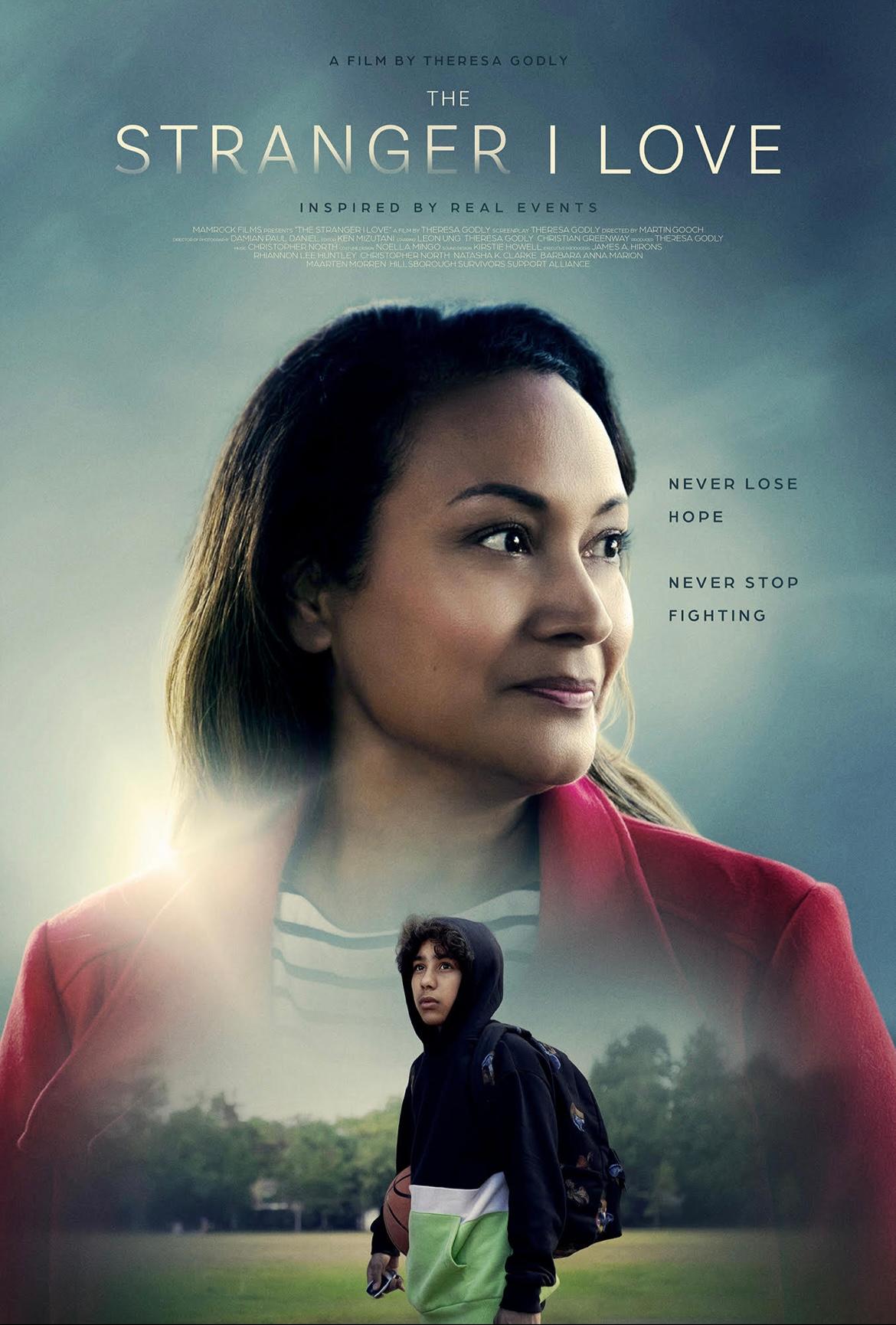
British actress and filmmaker Theresa Godly is earning international attention with her powerful short film The Stranger I Love, inspired by her own experience with parental alienation. Godly wrote, produced, and stars in the 13-minute drama, delivering an intimate, emotionally charged performance.
“I was inspired and motivated to write this story after being alienated from my beloved eleven-year-old son by his father,” Godly says. “It hit me like a truck—one minute I was kissing my son
goodbye as he went on holiday with his dad; three weeks later, I was faced with a child I didn’t recognize. I knew I had to speak out and raise awareness because what I experienced has a name: parental alienation. It’s psychological child abuse, and we must confront it.”
In the film, Godly portrays Nina, a devoted single mother whose life collapses when her son returns from a brief holiday with his father completely changed—cold, distant, and hostile. The film’s devastating portrayal reflects Godly’s real-life trauma and captures the confusion and pain of parental alienation.
The Stranger I Love has been recognized by prestigious festivals including the San Jose International Short Film Festival and The Big Syn International Film Festival. The film is proudly supported by Parental Alienation Awareness UK and the Parental Alienation Study Group (PASG) who aim to help amplify Godly’s mission to drive meaningful legal and societal change.
Godly, whose acting credits include popular series such as “Bridgerton”, “EastEnders”, “Doctors”, “Motherland” and “Law & Order UK”, is already developing the short into a full episodic series, giving voice to countless other families suffering from parental alienation.
Alongside director Martin Gooch, BAFTA-winning cinematographer Damian Paul Daniel (The Black Cop), and a standout performance by rising star Leon Ung (The Long Goodbye, Matilda, Disney’s Snow White), Godly crafts a cinematic experience that shines a crucial spotlight on this hidden crisis. The film ends with a stirring montage featuring real parents and grandparents who have endured months and years of separation from their children—a powerful call for empathy, understanding, and reform.


