

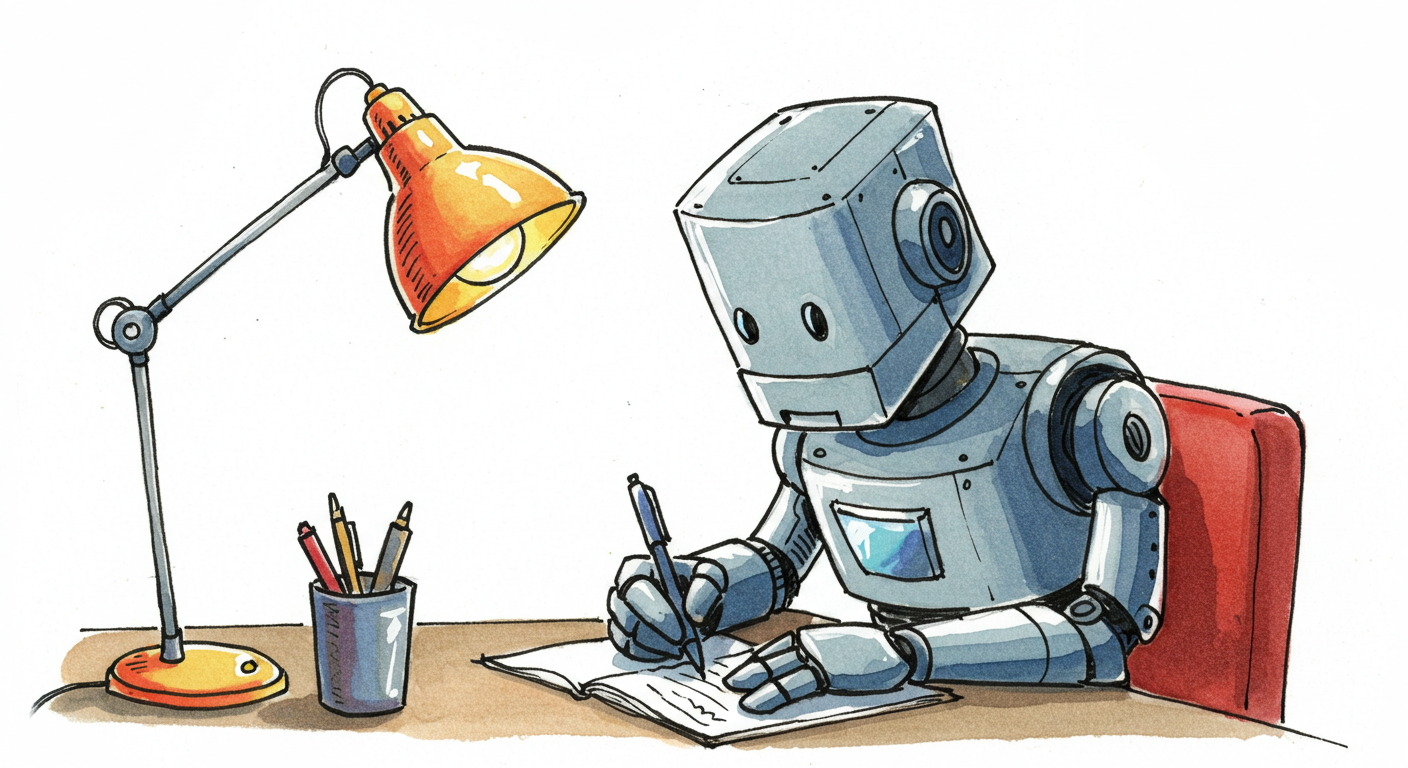
The premise of ethical storytelling begs the question – to whom does this story benefit, and who can it harm? In the age of Artificial Intelligence (AI) and rapidly progressing technology, morale and ethical decision making have become hot topics around the world, and especially in creative spaces.
Storytelling’s sole purpose is to convey a specific narrative via a unique and creative approach. With an upsurge of dependency on the internet and robotic AI features, creativity is dwindling, and artists of all mediums and the art of storytelling will suffer for it.
Associate Professor Frank Deese from the School of Film and Animation at the Rochester Institute of Technology attended the panel, “Digital Hollywood: The AI Summer Summit.” in this presentation, a variety of seasoned keynote speakers delivered inquiring speeches, lectures and presentations from July 21 through July 23.
Considering his status as a Professor, Deese has been involved in the screenwriting and storytelling industry for years. During his 25 years spent working in Hollywood, CA. And his experience as an educator, Deese has read, viewed, evaluated and assessed hundreds of screenplays.
In Professor Deese’s reflective article, “Screenwriting vs. the machine: Embracing AI in the storytelling process” he describes how the panel changed his perspective on the matter. Going into the panel, Deese identified his initial beliefs and his concern regarding an unwavering stance on the issue. “My adversary was the persistent belief that artificial intelligence can and will soon replace human screenwriters in the motion picture industry,” Deese said within his opening paragraphs.
As he earnestly followed each expert panelists’ insights, Deese began to change his mind, and soon enough, he saw himself on the opposing side of his initial argument. “This panel discussion has inspired me to consider incorporating AI into my teaching, with careful guidelines to ensure it aids rather than replaces the creative learning process,” said Deese.
Many experienced creatives within the industry pose a similar argument to Deese’s newly found stance – that AI could be utilized ethically in the research process as opposed to a replacement of the creative writing process.
Founded in 2004, Voice of Witness (VOW) is a non-profit organization that presents an oral history regarding human rights. The organization’s primary focus is to elevate the voices of people who are either impacted by or fighting against injustice. Within their internet domain, VOW provides a code of ethics surrounding storytelling principles. Their “Ethical Storytelling Principles” are listed as follows:
1. Invest in relationships to build trust, mutual respect, and collaboration
- transparency throughout the Ensure narrators have ownership and control over their stories.
- Honor authenticity, complexity, and the whole person, rather than approaching with preconceived expectations or framing narrators as victims or heroes.
- Use a trauma-informed
- Position narrators as the
- Acknowledge and mitigate power dynamics and
- Ensure stories are accessible to narrator”
These principles upheld by organizations such as VOW inadvertently posits the question, how could AI replicate empathetic interpretations of an interview or storyline – how does one stay true to being genuine and humane?
Mark Goffman is astonishingly experienced within the realm of storytelling. Working on
projects ranging from “The Umbrella Academy” to “Bull,” Goffman shared his insight on the conflict at hand. Goffman presented the concept of AI being used as a tool to assist in the creative process, rather than being utilized as a substitute or cure-all.
While these questions remain, the universal stance on ethical storytelling is unwavering. However, perspectives in regard to the incorporation of AI seem to be dependent on other factors: who, what, where, when, how and why. To compose a compelling argument in favor of or against the ethical use of AI in storytelling and screenwriting would involve a redefinition of creativity and what constitutes an original thought.


