

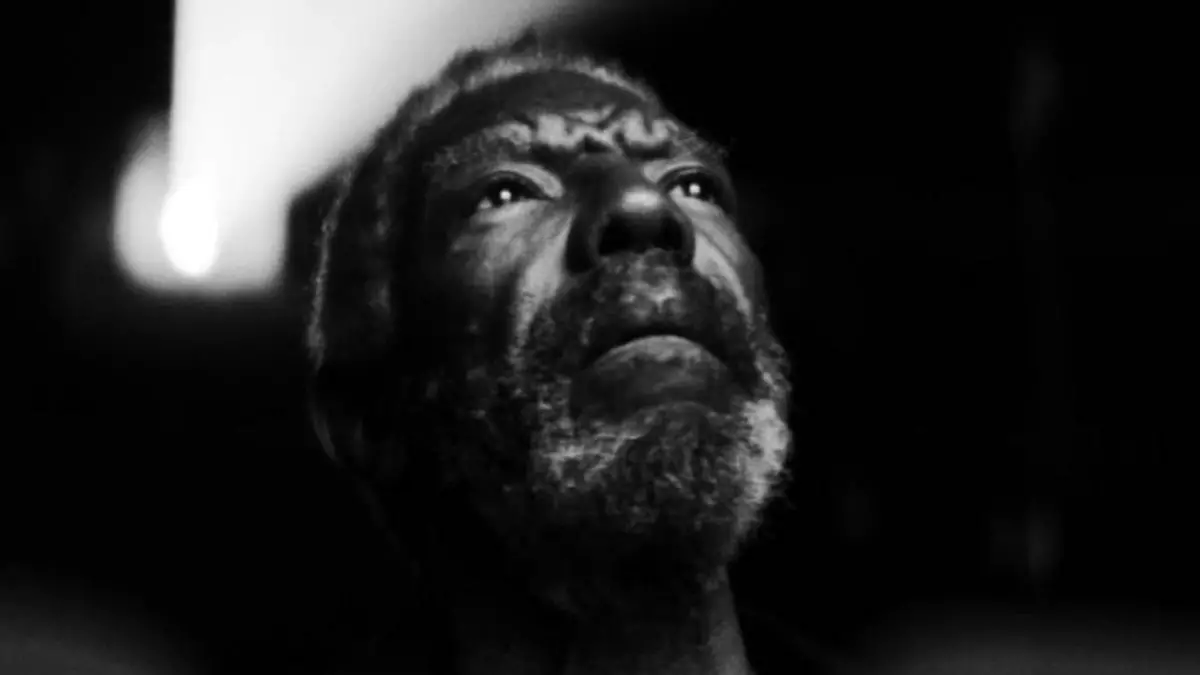
This month, I had the honor of attending the opening night of the 2026 Slamdance Film Festival in Los Angeles. It was a well-organized night where filmmakers from every background and all over the world gathered to network and share their independent passion projects. The festival takes place in the astounding Directors Guild of America Theater Complex and other nearby venues over the course of one week. But the one event that stood out the most to me was the opening night premiere of The Projectionist, a crime drama that was produced in part by legendary filmmaker Quentin Tarantino. Writer and director Alexandre Rockwell is given a Spotlight feature for this work, which depicts a dreamy yet realistic and brutal story of the titular character coming to terms with a dark past that creeps back into his life. After taking in the screening and all that the film delivered, I came to view The Projectionist as a nicely put-together mix of originality that includes a touch of Tarantino’s influence.
The story is about Sully (Vondie Curtis-Hall), a lone projectionist who is currently living at a run-down vintage movie theater, who is only coming to terms with his downtrodden life when a group of people from his past return to give him the chance to set right the events that led to the murder of his wife and his wrongful conviction. Going through the events, one would forget that Tarantino had a hand in making this film until they took note of the subtle influences Rockwell had inserted into them, from sharp little bouts of violence to the long, mundane conversations that drive the tense plot away but for a moment. But at the same time, The Projectionist also does not stray from providing an original, somber pace for the viewers to take in the emotions Sully feels and puts themselves in a nice place of reflection whenever he views one of the vintage films in his workplace. The film takes in as much realism and grit as it can take, but it is not afraid to take us away for a nice reminiscence of a happier time in Sully’s life. Rockwell’s choice of including elements of “poetic realism” shines in all aspects, from cinematography to settings, and it perfectly encapsulates how Sully views movies to leave the darkness of his past behind and take in whatever good moments have remained. Even if Sully cannot run from what has held him back for years, the story is well-written in showing how he comes to deal with his problems for good.
While Curtis-Hall’s performance as Sully is one of many highlights in this film, much credit must be given to the supporting performers as well. Kasi Lemmons does a riveting job as Rosa, one of the more prominent figures of Sully’s past, who turns out to be more complex and sympathetic than the others. And for the more intimidating figures, Kevin Corrigan provides a real snarky rendition as Duck, the cop who gives off classic New York gangster vibes, considering his behavior throughout the film. Another honorable mention will go to Dizzy, played by Michael Buscemi. His character comes off as more of a tribute to his brother Steve Buscemi’s role as Mr. Pink in Reservoir Dogs, but a touch saner and more straightforward. Even Rockwell gets another Tarantino influence in the story by having a small cameo role that contains a semblance of importance to the story, especially since he mentioned he gave himself the role to replace a previous actor. But the one performance I have a bit of mixed feelings about is that of the young artist Anura, played by Jadon Wharton. While I did enjoy his character being part of the lighter side of Sully’s current life, some of Wharton’s line deliveries felt a bit off. I don’t know if it was his first major role, but if it is, I can cut him some slack. Anura did provide a nice bout of escapism for Sully outside of the theater’s walls. Overall, the cast brings in a fair amount of dramatic play that encapsulates the realistic and emotional tones the story brings.
The vision Rockwell wanted to convey with The Projectionist was executed flawlessly across every aspect of production. Rockwell’s vision for this film was described as a tribute to “the intersection of film and life,” and it reminds the audience that, no matter how great the tragedy, there is still light at the end of the tunnel. It was best represented by the theater setting itself, as most of the poetic and symbolic shots take place during the scenes we see Sully there. Aside from showing Sully reminiscing about his happier past in solitude, the theater serves to convey his mental state and his journey to lifelong peace throughout the story. It also helps that the film is entirely done in monochrome with a side of constantly shifting aspect ratios. Not only does it reflect the classic films being shown at the old theater, but it also makes the movie feel more like a modern-day noir to go along with various crimes being major plot points. Cinematographer Sam Motamedi did a stellar job in keeping the shots as finely detailed and purposefully gritty as possible. Even the soundtrack, composed by Richard Edson, shows a cross between being a jazzy piece fit for a classic noir and more modern elements to better fit the present setting. The music also perfectly invokes the immense moodiness brought forth by Sully’s character arc throughout the film. All in all, the artistic direction created by all the production elements truly shapes The Projectionist for what it is and how close to the heart it can be.
My biggest compliment for The Projectionist is that it pays tribute to the works of Quentin Tarantino while also staying in an original direction. Tarantino, being involved as an executive producer, sounds like a major selling point, but the film lives up to how it sounds, as one could say they are almost watching a classic from decades’ past. There are subtle nods and elements from past works alike, and Rockwell’s directing perfectly utilized them to the fullest and kept the film feeling fresh in story and pacing. If I had to describe which films are brought to my mind when looking back on this one, I would say there’s a little mix between Reservoir Dogs and Pulp Fiction. I do think that those who are remotely familiar with Tarantino would absolutely enjoy The Projectionist and see it as a gateway to how the man does things in his line of work through the eyes of a collaborator.
In the end, what better way to open an event like the Slamdance Film Festival than with a big film like The Projectionist? It is the optimal pick out of a set of independently produced, budget-efficient films of varying genres to give every audience member a unique first impression. With stellar production, exceptional acting, and a poetic message for the love of cinema, this film has all the components it needs to tug at viewers’ heartstrings and keep up the intensity of every scene. The film gained positive reception at Slamdance’s opening night, with major credit given to the visionary styles, the acting, and the music. With a little inspiration from Tarantino to shape the scale, Rockwell manages to hold a cohesive, poetic narrative while not being afraid to shift tones and head down a dark, dramatic route.


