
Sing Sing takes “based on a true story” to new depths: It not only stars real members of the Rehabilitation Through the Arts (RTA) acting troupe, it also features them improvising some of the film’s most gut-wrenching lines on the spot.
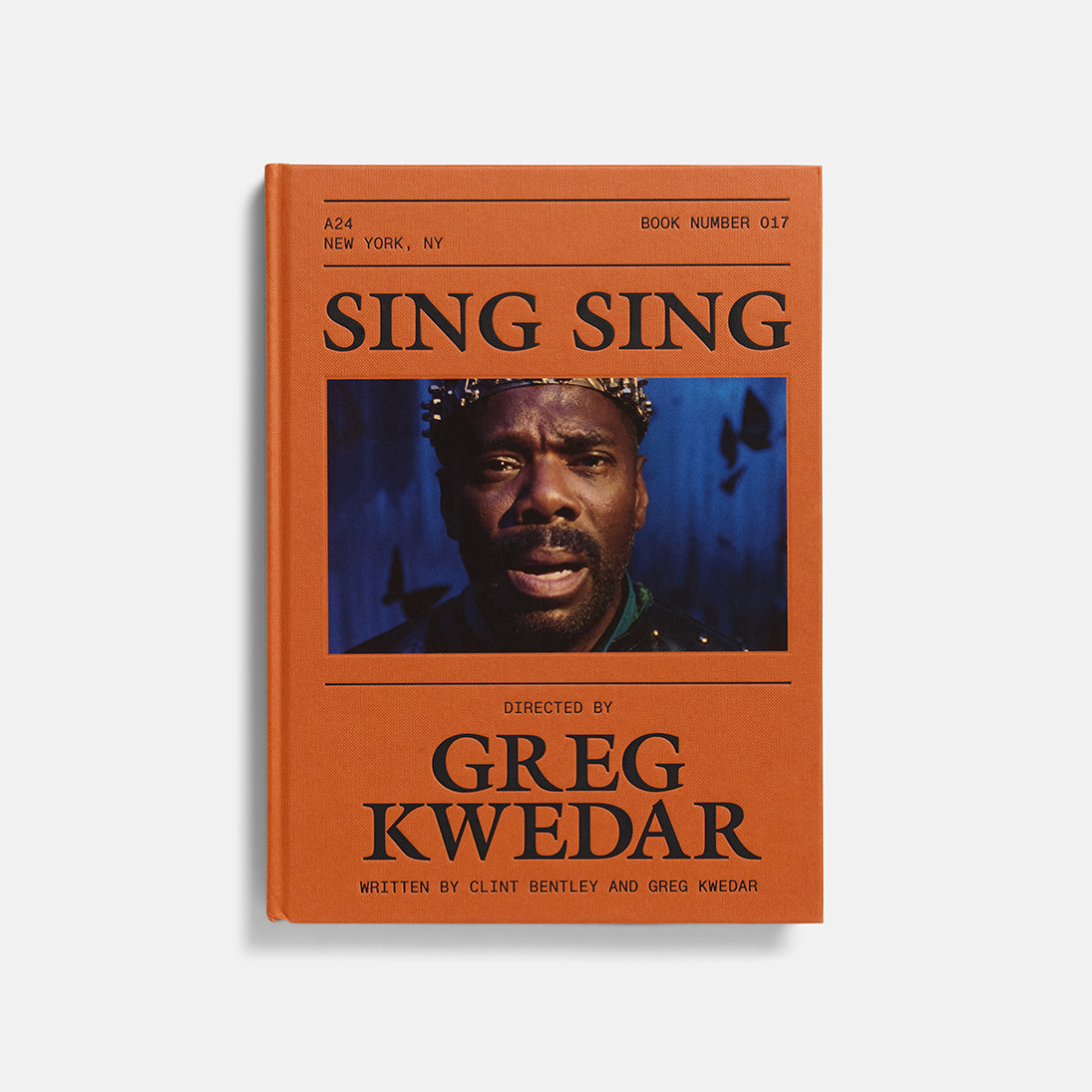
We asked Clint Bentley and Greg Kwedar, co-writers of the 2025 Oscar-winning script for Best Screenplay Adaptation—and #17 in the A24 Screenplay Book Collection—about their layered writing process and how it shaped the final, official script.

In the Screenplay Book, the script highlights moments drawn from the actors’ real lives and experiences. What was it like to revisit these stories?
Greg Kwedar: Profound. Making this film was a nine-year journey from our initial discovery of the program and our idea for the script, all the way to the Oscars. And the annotations from our creative community demonstrated the collective effort and care it took to bring this movie to life. There was no way to present the screenplay without also documenting the beautiful and deeply honest contributions of our cast and the courage they showed to bare these moments from their own lives with the world so that we may all understand.
Clint Bentley: It was a really beautiful experience. As Greg said, we spent so many years trying to get this script right and do justice to the experiences of the men in Rehabilitation Through the Arts (RTA). In the end, the answer came from opening up our writing process and accepting that we would not have all the answers to everything. There was such an openness from not only the men who had been through this experience, but from so many others who had been touched by this program, so we wanted to return that openness in kind. The script (and eventually the film) gained so much depth from what these folks offered from their lives. It was a really special opportunity to be able to highlight that here. We couldn’t have written those moments better if we’d tried.
Why did it feel important to also include the improvised dialogue that wasn’t originally in the screenplay? Is there an improvised moment that’s particularly powerful or memorable to you?
Greg: We wanted to include it because it’s what happened. From all our time as writers slipping behind the curtain of this world, whether through volunteering ourselves in the RTA program, or visiting with alumni to hear about their experiences, we knew there were aspects of this story that couldn’t be written, only lived. And why try to approximate the voice of those moments when you have artists who can travel there and offer up something indelible?
Although it’s really damn hard to pick a favorite, for me it’s got to be the audition sequence. I had a hunch we shouldn’t overproduce that, and thought we could create the energy of a real audition by offering up the sides to the cast and allowing them to select which role they wanted to audition for, and to be as prepared or as not prepared as they wanted to be. Once they stood in front of the camera and looked down the barrel of the lens, it put them right back in those nervous moments of a real audition. We held back some surprise questions for them, too, that got at the essence of why they were in the program. That was so magical to witness. It was the hardest sequence to trim down because there was so much beautiful material that felt almost sacred to touch editorially.
Clint: I will never forget the day that Dino delivered his “we’re here to become human again” moment. It’s hard to put into words how powerful that moment was, both for the men and for everyone on set. I will also always remember the day we filmed the “perfect place” exercise, where they all sit in a circle and imagine they’re somewhere else. The things they said were beautiful, but also a potent reminder of the power of imagination and memory for these men and how much it had helped them transcend their situation when they were inside.


